RASA Retreats.
RASA is where Aureum does its quietest and most demanding work. Meditation, silence, and stillness practice, held properly, for guests who want more than a class on a lawn. It runs as its own division because this work does not share a schedule well with anything louder.
रस
RASA — a Sanskrit word for essence, for flavour, for the deeper taste of an experience.
RASA is Aureum’s contemplative division. Where Aureum Retreats is expansive, RASA is deep — quieter, slower, turned inward. It is a return to the essence of being, through stillness, presence and conscious living.
The word holds everything the work touches: silence, awareness, emotion, sacred art, devotion. It is a philosophy, not a product line.
Four movements.
Every retreat Aureum runs follows the same four movements in the same order. The length changes, the setting changes, the facilitator changes. The arc does not, because the arc is what makes the week survivable and the last day worth staying for.
This division takes its name from the method rather than the other way round. RASA is where the four movements are given the most room, and the least to distract from them.
Release · Regulate · Recalibrate
Letting go of accumulated stress, emotional residue, overwhelm and nervous system fatigue. Putting things down. Phones, schedule, the account of yourself you arrived with. Mostly physical at this stage: breath, movement, sleep, and the first long sittings.
Awakening · Awareness
Attention turns from the world to the one who is watching it. Noticing what is left once the noise drops. Attention training, and the unglamorous middle of a retreat where people meet their own restlessness.
Surrender
The stage most retreats skip. Practice stops being something you are doing well or badly. Longer silence, less instruction, and the point at which a facilitator earns their fee.
Alignment · Integration · Embodiment
What was seen in stillness becomes how one lives. Carrying it out. What the practice looks like on a Tuesday at home, at a desk, in a life that has not changed while the guest was away.
Most wellness programming ends at the first movement and calls it a retreat.
Release is the easy part to sell and the easy part to deliver. A guest puts their phone in a box, sleeps well for two nights, and goes home rested. That is a good holiday and it is not a retreat.
The value sits in the third movement, which is also where guests get uncomfortable and where an under-briefed facilitator loses the room. Holding a group through that is the specific thing RASA exists to do, and it is why we staff these retreats ourselves rather than handing a property a schedule and wishing them luck.
Five programmes, five depths.
All five run the four movements. They differ in length, in how much silence a guest is asked to hold, and in how much prior practice they assume.
The Sacred Return
Four nights, and the one to run first at a new property. Written for guests who had a practice once and let it go, which is most people who book a meditation retreat.
Aatma Dhyana
Five nights of seated meditation and self enquiry. Small groups, long sittings, short teaching. Assumes a guest who has sat before and wants less commentary, not more.
Aranya Mauna
Six nights of noble silence in forest surroundings. No speech, no screens, no scheduled conversation. The most demanding thing we run and the one guests write to us about afterwards.
Samadhi
An immersion in pure presence. Most meditation is confined to the cushion; this asks what becomes possible when presence is no longer something you visit. Eating, walking, resting — each becomes the practice. Seven nights.
Ecstatic Yoga Retreat
A journey through movement, music, breath and meditation
Silence is one door. This is the other. In the traditions RASA draws from, stillness and ecstasy were never opposed — they are two routes into the same room, one entered through quiet, the other through surrender to sound and rhythm. A multidimensional immersion, over four nights.
- Ecstatic Kirtan — mantra, music and devotional expression
- Ecstatic Dance — movement, embodiment and liberation
- Ecstatic Meditation — breath, awareness and expanded states of presence
- Yoga & Pranayama — grounding the experience through the body and breath
- Sacred Sound & Mantra — vibration as a pathway inward
What hosting RASA asks of you.
Contemplative retreats are undemanding on facilities and unusually demanding on everything else. A property does not need a wellness pavilion. It needs a room that holds silence, a kitchen that can serve at fixed times, and a team briefed not to interrupt.
- One room that holds twenty in silence. No through traffic, no service noise on the hour, soft floor.
- Fixed meal times, simple food. Silence breaks the moment a waiter asks a guest how their day is going.
- Rooms guests can be alone in. Single occupancy matters more here than square metres.
- A briefed team. We brief your staff ourselves before day one. It takes an hour and it is the single largest determinant of whether the retreat holds.
- Protected hours. No events, no music, no groundskeeping during sittings. This is the one that properties underestimate.
Temple and cultural immersions.
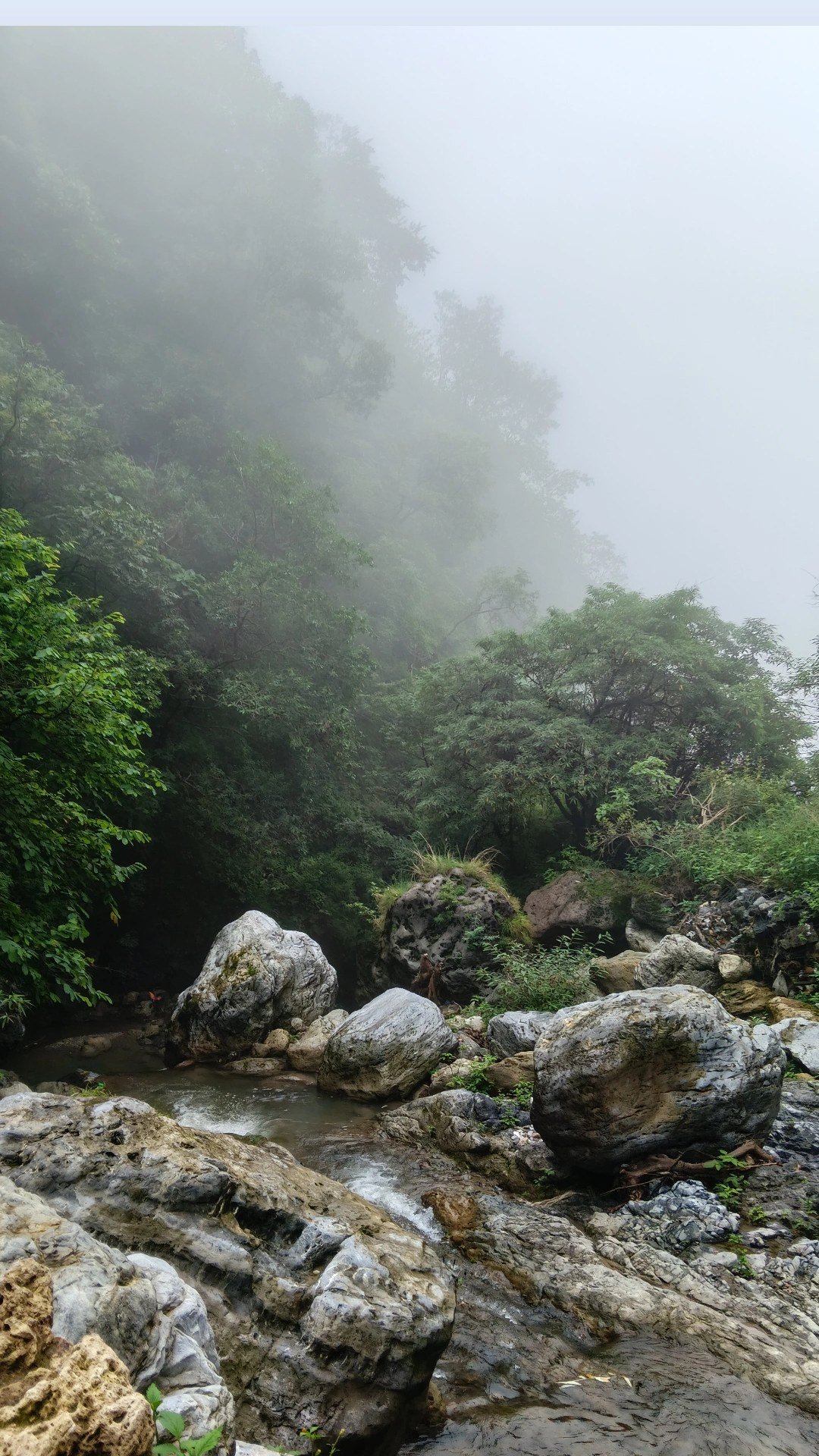
Not tourism. Pilgrimage, made beautiful. Ten journeys through India’s sacred geography — each built around the particular genius of its region, from the ghats of Kashi to the Kalbeliya of the Thar.
One-to-one work.
The RASA Silence Method is taught privately, one to one, outside the retreat programme. It sits with Rudra personally rather than with Aureum, and lives on his own site.
Joining a retreat.
Dates run at partner properties through the year. Tell us which retreat interests you and roughly when, and we will point you at the next one that fits.